
چه زمانی یک دوست، دیگر دوست نیست؟
مقاله زیر نوشته اندرو اسکات کوپر (ANDREW SCOTT COOPER) میباشد که در تاریخ 12 جولای 2012 زیرمجموعه عنوان «پرونده پرمسئله شاه و نئوکانها» در بخش «خط مقدم» قسمت «اداره تهران» در سایت PBS.org منتشر شده است.
نویسنده در این مقاله به برخی ابعاد همکاریهای نزدیک بین شاه، اسرائیل و نئوکانهای آمریکا میپردازد؛ اما نکته قابل توجهی که در نهایت عنوان میشود، پیوند عمیق و مستحکم منافع نئوکانها و اسرائیل است، تا حدی که شاه به عنوان مهمترین متحد منطقهای هردو طرف، پس از یک اشتباه که احتمالاً منجر به صدمه زدن به منافع اسرائیل شود، بلافاصله مورد تقبیح و سرزنش و حتی فشار آمریکا قرار میگیرد و اصلاً اهمیتی ندارد که چه خدماتی به آنها ارائه داده است. گویا دوستی و اتحاد با آمریکا، تنها تا زمانی صحت دارد که منافع اسرائیل مورد تهدید قرار نگیرد و تامین شود!

روی کاغذ، به نظر میرسید که شاه ایران در دهه ۱۹۷۰ شریک طبیعی نومحافظهکاران (نئوکانها) در آمریکا باشد؛ کسانی که از سیاست خارجی اساساً محافظهکار، طرفدار غرب و حامی اسرائیل شاه پشتیبانی میکردند. هر دو نسبت به قدرت گرفتن عربها سوءظن غریزی داشتند و همچنین عمیقاً به اتحاد جماهیر شوروی بیاعتماد بودند. در واقع، امروز که نئوکانها درخصوص سرنوشت ایران پس از ۱۹۷۹ افسوس میخورند، فضای بحث آکنده از نوستالژی در رابطه با «تخت طاووس» است. با این حال، واقعیت آن دوره به مراتب پیچیدهتر از آن میباشد که برخی مایلاند ما باور کنیم. اسناد طبقهبندیشده اواسط دهه ۱۹۷۰، نشان میدهند که حمایت نئوکانها از شاه در بهترین حالت، مشروط بوده است. در مورد عجیب و خاص شاه فوقمحافظهکار ایران، میتوان ریشههای آزمون ایدئولوژیکی را دید که بعدها توسط نئوکانها به طور فراگیر در قبال دوستان و دشمنان دیگر به کار گرفته شد: «یا با ما هستی یا علیه ما». شاه ایران از جمله افرادی بود که در این آزمون، مردود شد.
در اوایل دهه ۱۹۷۰، هیچ دوستی در خاورمیانه نزدیکتر از محمدرضا شاه پهلوی به اسرائیل نبود. شاه با افتخار از اقلیتهای دینی و قومی ایران، به ویژه حدود ۶۰ هزار یهودی که حتی پس از تأسیس کشور اسرائیل در سال ۱۹۴۸ همچنان در ایران ماندند، حمایت میکرد. پیوند این جامعه با ایرانیان به دوران کتاب مقدس بازمیگشت. اما مهمتر از آن، شاه، ایران و اسرائیل-دو کشور غیرعرب در منطقه-را متحدان طبیعی میدانست. از نظر او این دو کشور سنگرهای مدارا، میانهروی و ضدیت با کمونیسم بودند، با ایالات متحده روابط دوستانه داشتند و منافع استراتژیک مشترکشان همپوشانی داشت.
On paper at least, the Shah of Iran in the 1970s seemed a natural partner for influential American neoconservatives who favored his essentially conservative pro-Western, pro-Israeli foreign policy. They both harbored a visceral suspicion of Arab power and a deep distrust of the Soviet Union. Indeed today, when the neocons lament the fate of Iran after 1979, the air is practically redolent with nostalgia for the Peacock Throne. However, the reality of that earlier period was more complicated than some would like to have us believe. Declassified documents from the mid-1970s reveal that neoconservative support for the Shah was at best conditional. In the curious case of the archconservative Shah, we see the origins of the ideological litmus test since applied by neoconservatives to friend and foe alike: "You are either with us or against us." Count the Shah of Iran as one of those who failed it.
In the early 1970s, Israel had no greater friend in the Middle East than Mohammad Reza Shah Pahlavi. The Shah took great pride in protecting Iran's religious and ethnic minorities, particularly the 60,000 Jews who chose to stay on in Iran even after the state of Israel was established in 1948. Their community had ties with the Persians going back to biblical times. More to the point, the Shah viewed Iran and Israel -- the two non-Arab states in the region -- as natural allies. They were bastions of tolerance, moderation, and anti-communism, friendly to the United States, and shared overlapping strategic interests.
Andrew scott cooper
روابط دوجانبه میان ایران و اسرائیل گسترده بود، گرچه عمدتاً به شکل غیررسمی و پنهان جریان داشت. نماینده غیررسمی دولت اسرائیل در تهران از طریق دفتر «هیئت بازرگانی اسرائیل» در نزدیکی سفارت آمریکا فعالیت میکرد. تا سال ۱۹۷۰، سالانه حدود ۴۰ میلیون دلار نفت ایران به اسرائیل صادر میشد. شاه مدعی بود که فروش نفت به اسرائیل صرفاً توافقی تجاری از سوی کنسرسیوم نفتی بوده و ارتباطی با دولت ایران نداشته است.
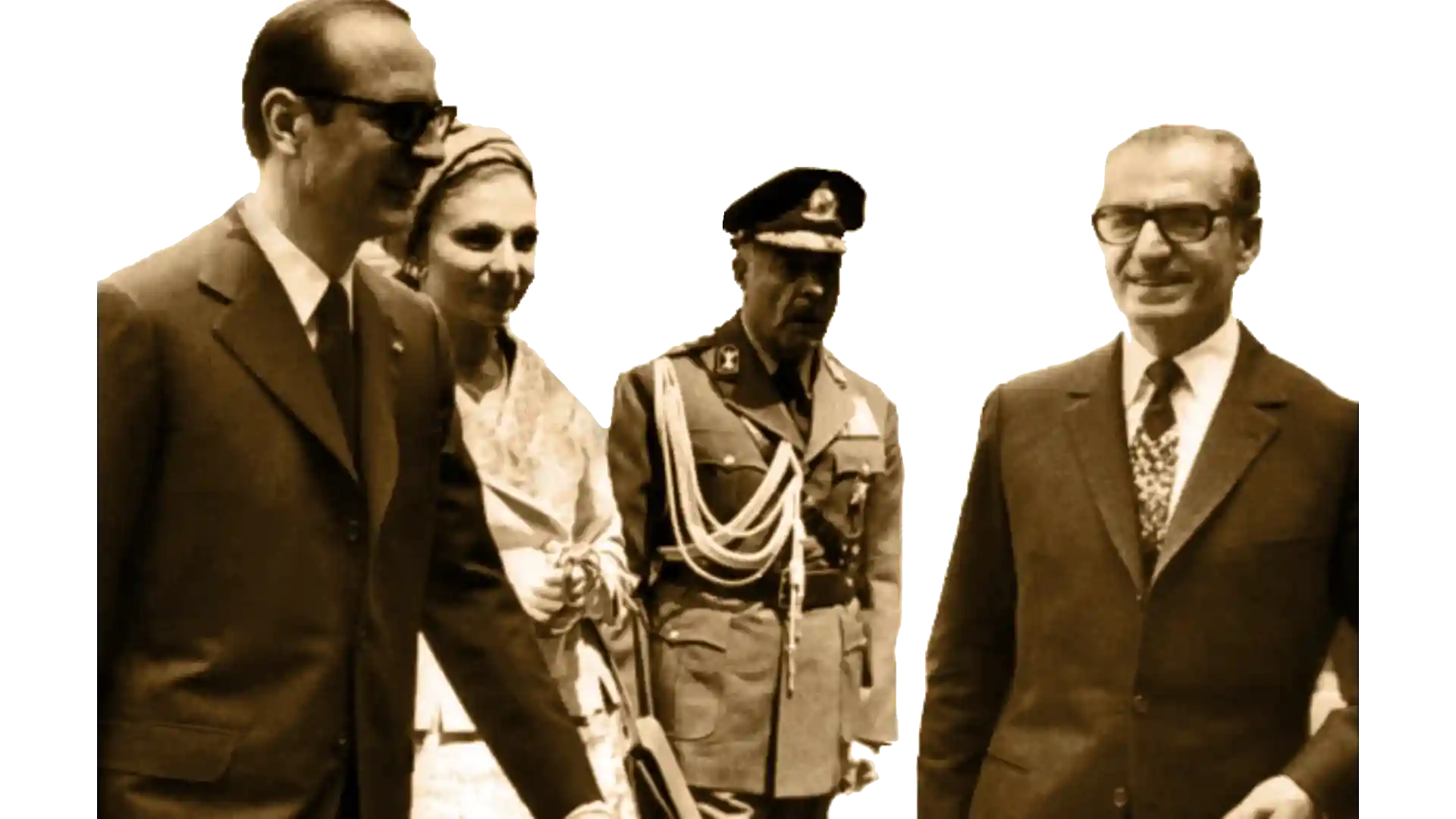
Bilateral ties were extensive if low-key. The government of Israel's unofficial representative in Tehran worked out of the Israeli Trade Mission, located near the United States Embassy. By 1970, about $40 million worth of Iranian oil was exported to Israel every year. The Shah made the somewhat specious claim that the sale of oil to Israel was a business arrangement worked out with the oil consortium that had nothing to do with his government.
Andrew scott cooper
ایران و اسرائیل همچنین روابط فرهنگی و اقتصادی نیز داشتند. در آستانه دهه ۱۹۷۰، جدیدترین سوپرمارکت تهران محصولات غذایی و نشریات اسرائیلی میفروخت و کتب ادبیات عبری نیز در کتابفروشیها و دکههای روزنامهفروشی عرضه میشد. در کشوری که مردمش عاشق سینما بودند، سه شرکت از چهار شرکت بزرگ توزیع فیلم در دست اتباع اسرائیلی بود. شرکت هواپیمایی دولتی اسرائیل، «العال (El Al)»، دو پرواز منظم هفتگی میان تلآویو و تهران برقرار کرده بود که برای دور زدن حریم هوایی اعراب از مسیر ترکیه عبور میکرد. مهندسان و مشاوران اسرائیلی نیز به همتایان ایرانی خود در حفر چاههای عمیق در قزوین و آبیاری دامنههای جنوبی البرز کمک میکردند. جامعه یهودی ایران و دولت اسرائیل در خط مقدم کارزار شاه برای نوسازی ایران و حذف نفوذ روحانیت قرار داشتند.
ازمان اطلاعات و امنیت ایران، ساواک، با سیا و موساد برای مقابله با نفوذ رادیکالها و شوروی در خاورمیانه همکاری میکرد. جاهطلبانهترین برنامه آنها آموزش، تأمین مالی و حمایت تسلیحاتی از جداییطلبان کرد در عراق بود. تناقض ماجرا اینجاست که همین عملیات فوقمحرمانه، نهایتاً شاه را با گروهی کوچک اما تأثیرگذار از روشنفکران آمریکایی درگیر نمود که در ظاهر، دیدگاه مشابهی با شاه درباره پاکسازی خاورمیانه از نفوذ اعراب رادیکال داشتند.
Iran and Israel also enjoyed cultural and economic ties. At the turn of the decade, Tehran's newest supermarket sold Israeli food and publications, and Hebrew literature was openly sold in bookstores and at newsstands. In a country that loved cinema, Israeli nationals ran three of the four biggest film distribution companies. Israel's state airline, El Al, flew two regularly scheduled flights each week between Tel Aviv and Tehran, routed over Turkey to avoid Arab airspace. Israeli engineers and advisers, meanwhile, helped their Iranian counterparts dig deep water wells in Qazvin north of Tehran and irrigated farmland on the southern slopes of the Alborz Mountains. Iran's Jewish community and the state of Israel were on the front lines of the Shah's crusade to modernize Iran and eliminate clerical influence.
Iran's security force, SAVAK, teamed up with the CIA and Israel's Mossad to counter radical and Soviet influence in the Middle East. Their most ambitious plan was to train, finance, and arm Kurdish separatists in Iraq. Ironically, it was this most secretive of covert operations that ultimately brought the Shah into conflict with a small but increasingly influential group of American intellectuals who otherwise shared his vision of a Middle East purged of radical Arab influence.Andrew scott cooper
نئوکانها، اغلب چپگرایان سابقی بودند که در اعتراض به مخالفت حزب دموکرات به رهبری جرج مکگاورن، با جنگ ویتنام و تمایل به انزواگرایی، آن را ترک کرده بودند. درست است که بیشتر نئوکانها یهودیتبار بودند، اما هنری کیسینجر، وزیر امور خارجه وقت آمریکا -سرسختترین مخالف آنها در ساختار قدرت- نیز یهودی بود. نئوکانها او را متهم میکردند که در برابر شوروی بیشازحد امتیاز داده و به سیاست تنشزدایی ضربه زده است. نقطه عطف برای آنها، شکست نزدیک اسرائیل در جنگ یومکیپور سال ۱۹۷۳ بود. کیسینجر در خاطراتش مینویسد این جنگ «تبدیل کامل نئوکانها به واقعگرایی ژئوپولیتیکی را رقم زد.» از آن پس، نئوکانها خواهان اتخاذ سیاست خارجی برای آمریکا شدند که ضدیت با کمونیسم ستیزهجو را با حمایت بیقیدوشرط از اسرائیل درآمیزد. آنها از طریق متحدشان در کنگره، سناتور هنری جکسون، و نشریه «کامنتری»، مبارزهای سیاسی علیه تنشزدایی به راه انداختند و خواستار گرهزدن مذاکرات تسلیحات هستهای با حقوق بشر در شوروی شدند.
نئوکانها از عملیات مشترک آمریکا، ایران و اسرائیل در عراق با شور و حرارت حمایت میکردند. این طرح سه هدف اصلی داشت: اول، درگیر نگهداشتن ارتش عراق در مرز شرقی با ایران بهجای تهدید اسرائیل از غرب؛ دوم، ضربه زدن به رادیکالترین دولت عربی؛ و سوم، ارسال پیام قوی به مسکو، مبنی بر اینکه دخالت شوروی در خاورمیانه بیهزینه نخواهد بود. کیسینجر در دیدار با شاه در تابستان ۱۹۷۳ در واشنگتن گفت: «میخواهیم در ذهن سیاستگذاران شوروی این ذهنیت را ایجاد کنیم که ماجراجویی در خاورمیانه برایشان پرهزینه و بینتیجه است، بدون آنکه رودررو با آنها درگیر شویم».
The neoconservatives -- "neocons" for short -- were mostly former leftists who deserted George McGovern's Democratic Party in protest against its opposition to the war in Vietnam and embrace of isolationism. While it was true that many neocons were Jewish American, so too was Secretary of State Henry Kissinger, their most fervent adversary in the corridors of power in Washington and the high official they bitterly accused of handing too many concessions to Moscow in return for détente. The turning point for them came in 1973 with Israel's near defeat at the hands of the Arabs. It was Kissinger who observed in his memoirs that the Yom Kippur War "completed [the neocons'] conversation to geopolitical realities." Henceforth, they agitated in favor of a U.S. foreign policy that melded fervent anti-communism with uncompromising support for Israel. Through their champion in Congress, Senator Henry Jackson, and their opinion journal Commentary, the neocons fought a legislative rear-guard action to weaken détente by linking nuclear arms talks with human rights in the Soviet Union.
The neocons were enthusiastic supporters of the U.S.-Iranian-Israeli operation in Iraq. The scheme served three primary purposes. The first was to tie down Iraqi army divisions on the country's eastern frontier with heavily armed Iran rather than allow them to mobilize against Israel, which lay exposed in the west. The operation's second purpose was to deliver a bloody nose to the most radical of the Arab states. Third, it sent a strong signal to Moscow that Soviet meddling in the Middle East would not be tolerated. As Kissinger confided to the Shah when the Iranian king visited Washington in the summer of 1973, "We want to create a frame of mind in the Politburo that is tired of costly adventures in the Middle East which do not produce results. We want to do this without confronting them. We want them simply to recognize that they pay a price for that kind of policy."Andrew scott cooper
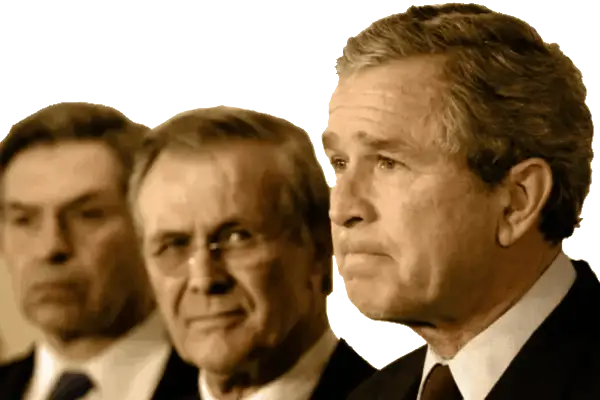
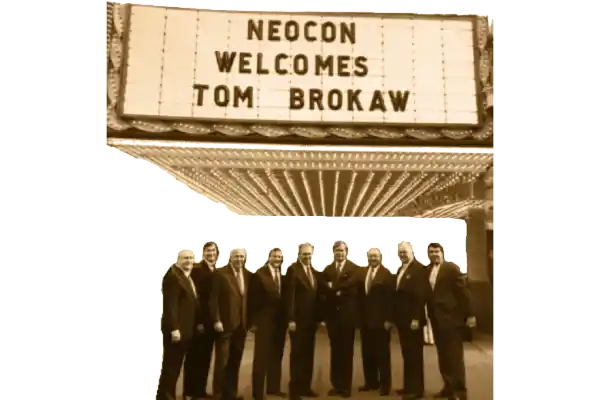
آمریکاییها و اسرائیلیها زمانی شوکه شدند که شاه در مارس ۱۹۷۵ بدون هماهنگی با متحدانش، تصمیم به توقف حمایت از کردها گرفت. او صرفاً بر اساس منافع عمل کرد. صدام حسین، رهبر عراق، آماده سازش برای حل مناقشه مرزی دیرینهشان بود. شاه پیشتر به این نتیجه رسیده بود که دیگر کردها سودی برایش ندارند. هرچند میخواست پیامی هم به شوروی بدهد، اما وقتی لئونید برژنف، رهبر شوروی، به او هشدار داد که پایش را فراتر از حد نگذارد، گوش داد.
The Americans and the Israelis were stunned when the Shah made the decision in March 1975 to turn off the Kurdish operation without consulting his allies. Quite simply, he acted out of national interest. The Iraqi leader, Saddam Hussein, signaled he was ready to cut a deal and in return settle a long-standing border dispute along their mutual border. The Shah had already accepted that the Kurds had outlived their usefulness. And although he wanted to send a message to the Russians, the Shah listened when Soviet leader Leonid Brezhnev's warned him not to push his luck.
Andrew scott cooper
خانوادههای ثروتمند
بدون هیچ هشدار جدی، ایران مرز زمینی با عراق را بست. نیروهای کرد در تله افتادند و توسط ارتش عراق به شدت سرکوب، دستگیر، شکنجه و قتلعام شدند. فاجعهای انسانی رخ داد که محکومیت جهانی را در پی داشت. در واشنگتن، پرزیدنت جرالد فورد بابت تحقیقات کنگره درباره ریشههای این شکست شرمسار شد. در اسرائیل، واکنشها از خشم تا وحشت متغیر بود. صورتجلسات دیدارهای بعدی کیسینجر با مقامات اسرائیلی، میزان سردرگمی و احساس خیانتدیدگی آنها را نشان میدهد. در ۹ مارس ۱۹۷۵، نخستوزیر وقت اسرائیل، اسحاق رابین با حیرت از کیسینجر پرسید: «شنیدی شاه کردها را فروخت؟» کیسینجر پاسخ داد: «بهش هشدار داده بودم، اما با این حال باز هم این کار را کرد».با کاهش فشار نظامی ایران بر مرزهای عراق، صدام توانست نیروهایش را به سمت اسرائیل جابهجا کند. اسرائیل که اعتماد را امری حیاتی برای کشوری کوچک و محاصرهشده میدانست، این اقدام شاه را خیانتی سنگین تلقی کرد. اسناد کاخ سفید نشان میدهد که از آن پس، اسرائیلیها هرگز به طور کامل به شاه اعتماد نکردند. اسحاق رابین اعلام نمود که دیگر نمیتواند روی شاه به تأمین نفت در صورت جنگ جدید یا تحریم نفتی حساب کند: «اگه نصف نفتمان را از او میگیریم، و طرفی که بهش تکیه کردیم، ناگهان این چنین دیدگاه متفاوتی اتخاذ میکند…» کیسینجر ضمن همدردی گفت: «من هم از تصمیم شاه شوکه شدم… خشونت او تکاندهنده بود».
With barely any warning, Iran closed its land border with Iraq. Kurdish forces were trapped, mercilessly hunted by Iraqi army units and slaughtered, captured, and tortured. The result was a humanitarian disaster that drew widespread international condemnation. In Washington, President Gerald Ford was embarrassed by congressional hearings into the origins of the fiasco. Reactions in Israel ranged from anger to panic. Transcripts of Kissinger's subsequent meetings with top Israeli officials showed the extent of their confusion and sense of betrayal. "You heard the Shah sold out the Kurds?" an astonished Prime Minister Yitzhak Rabin told Kissinger on March 9, 1975. "I warned the Shah against it and he did it anyway," replied his contrite guest.
With Iranian military pressure on Iraq's eastern frontier relieved, Saddam Hussein was now free to move tanks and troops within striking distance of Israel, which perceived its trust, a matter of vital importance to a small country surrounded by hostile states, as having been rudely violated. White House documents from the period suggest that the Israelis never fully trusted the Shah again. Rabin explained that he could no longer accept Iranian assurances of continued fuel shipments in the event of another Middle East war and oil embargo: "If half our oil comes from [the Shah], if someone on whom we rely takes a whole different outlook here...." Kissinger sympathized with the Israeli plight. "I was shaken too by the Iranian decision," he admitted. "The brutality of it."
Andrew scott cooper
در واشنگتن، این عقبنشینی شاه در خصوص کردها منجر به چرخش دیدگاه محافظهکاران شد. تا آن زمان، شاه محبوب جمهوریخواهان و نمونه کامل یک متحد خوب آمریکا بود. اما همهچیز تغییر کرد. سناتور جکسون گفت تصمیم شاه به امنیت اسرائیل ضربه زده و نشان داد او دوستی غیرقابلاعتماد است. جکسون همچنین پرسید: چرا آمریکا باید به رهبری خارجی که با تصمیمات ناگهانیاش متحد آمریکا و اسرائیل را غافلگیر میکند و منزوی میسازد، اسلحه بفروشد؟ او ادعا کرد شاه دیگر صلاحیت مدیریت منافع امنیت ملی آمریکا در خلیج فارس را ندارد.
نگرانی جکسون بیشتر درباره برنامه فروش راکتورهای هستهای به ایران تحت توافقنامهای چند میلیارد دلاری بود که در قالب کمیسیون همکاری اقتصادی ایران و آمریکا تنظیم شده بود. او از کاخ سفید خواست این تصمیم را بازبینی کند، چرا که سیاست خارجی شاه ثبات و «تداوم» لازم را نداشت. ایران، دیگر شایسته برخورد به عنوان یک متحد بیقیدوشرط نبود. او گفت: «چنین معاملاتی، مثل انتقال ظرفیت بزرگ تولید برق هستهای همراه با محصول جانبی پلوتونیوم، باید با توجه به شواهد نگرانکنندهای که نشان میدهد سیاستهای ایران گاهی آنچنان ناگهانی تغییر میکند که به مرز خیالپردازی میرسند، بررسی شوند».
In Washington, the Shah's abandonment of the Kurds led to a conservative volte face. Up until then, the Shah had been the darling of the Republican establishment and the very model of how a U.S. ally should be expected to behave. That all changed. Senator Jackson argued that the Shah's decision had dealt a blow to Israel's security and showed he was a fickle friend. Why, asked Jackson, was the United States arming a foreign leader whose arbitrary behavior had caught it unaware and left its ally Israel isolated and exposed? The Shah, he suggested, could no longer be trusted to manage U.S. national security interests in the Persian Gulf.
Jackson was especially concerned about the Ford administration's plan to sell nuclear reactors to Iran under the terms of a multibillion dollar trade agreement reached by the U.S.-Iran Joint Economic Cooperation Commission. He urged the White House to revisit the decision because the Shah's foreign policy showed a lack of "reliability and continuity." Iran had forfeited the right to be regarded as an unconditional ally. "Such transactions as the transfer of a sizable nuclear power production capability, with its plutonium by-product, need to be assessed in light of disturbing evidence that...Iran is capable of policy shifts so precipitous as to border on the quixotic."Andrew scott cooper
پس از ماجرای کردها، منتقدان شاه در کنگره از حمایت او درخصوص قیمت بالای نفت انتقاد کردند و خواهان محدودیت در فروش تسلیحات آمریکایی به ایران شدند. برای نخستینبار، جمهوریخواهان محافظهکار حمایت سنتی خود از سلطنت پهلوی را زیرسؤال بردند. این فضا کار را برای بزرگترین مدافع شاه، هنری کیسینجر، سختتر کرد. از تابستان ۱۹۷۵، شاه هدف انتقاد کنگره، سیا و حتی کاخ سفید قرار گرفت. افشاگریها در مطبوعات او را فردی ناپایدار از نظر روانی و غیرقابلاعتماد جلوه میدادند.
In the wake of the Kurdish affair, the Shah's critics in Congress challenged his support for high oil prices and demanded curbs on American arms sales. For the first time, conservative Republicans questioned their party's traditional unstinting support for the Pahlavi dynasty. They made life that much harder for the Shah's biggest admirer and defender, Henry Kissinger. Starting in the summer of 1975, the Shah came under fire from critics in Congress, the CIA, and even inside the White House. A series of devastating leaks to the press smeared him as mentally unstable and disloyal.
Andrew scott cooper
در آخرین سفر خود به تهران به عنوان وزیر امور خارجه در آگوست ۱۹۷۶، کیسینجر در خلوت سفارت آمریکا با عصبانیت گلایه کرد. یک سال پس از شکست در عراق، شاه در واشنگتن در حال از دستدادن دوستان و نفوذ خود بود. کیسینجر نیز نگرانی داشت؛ او میدانست پایههای قدرت پهلوی در ایران، به مراتب شکنندهتر از آن چیزی است که دیگران تصور میکنند. شاه، اعتمادش به متحد آمریکایی خود را از دست داده و در داخل نیز شجاعت خود را از کف داده بود.
او به سفیران منطقهای خود گفت: «واقعاً از این همه انتقاد ناراحتم. چه کسی تا به حال کاری کرده که مورد تأیید ما نباشد؟ هر وقت به کمکش نیاز داشتیم، صرفاً با ایجاد فشار مثبت یا فرستادن پیام ویژه کمک کرده است.» کیسینجر به دولت اسرائیل و ائتلاف عجیبوغریبی که با نئوکانها و لیبرالها در واشنگتن تشکیل داده بودند، حمله کرد. تهدید واقعی برای حمایت از شاه از جانب نئوکانها با خطمشی جنگسردی شبیه به مککارتیسم بود. او با افسوس گفت: «کافیه به مجله کامنتری نگاه کنید تا بفهمید چه خبر است».
مفهوم این سخنان روشن بود: نئوکانها چنان در ایدئولوژی خود سختگیر و مطلقگرا بودند که حتی حاضر بودند بزرگترین دوست اسرائیل در خاورمیانه، یعنی شاه ایران را قربانی کنند تا اصول موردنظر خود را تثبیت کنند.
During his final trip to Tehran as secretary of state in August 1976, Kissinger vented to his senior aides in the privacy of the American embassy compound. One year on from the debacle in Iraq, the Shah was losing friends and influence in Washington. Kissinger was worried. He understood that the foundations of Pahlavi power in Iran were more brittle than most people knew. The Shah was losing confidence in his American ally and losing his nerve at home.
"I am really mad at all this criticism [of the Shah]," the secretary told his regional ambassadors. "When has he done anything that we disapprove of? Whenever we have needed his help he has been willing to apply positive pressure to help, to send special messages or emissaries." Kissinger laid into the Israeli government and the sympathetic coalition of strange bedfellows it had assembled in Washington from among the ranks of the neocons and liberals. The real threat to support for the Shah back home came from the neocons with their "Joe-McCarthy-like cold war line." "Look at Commentary magazine," he lamented, "and you can tell me what is happening."
The implication was that the neocons were such ideological purists that they were prepared to hurt even the Shah of Iran, Israel's greatest friend in the Middle East, to score on a point of principle.
Andrew scott cooper